◈ 9ce92808be498e9e05590ff27cbfdfe4
Forum / Build Guides / Reticulum, FYI | Part 1 "How do announces work in Reticulum (RNS) ?"

Reticulum, FYI | Part 1 "How do announces work in Reticulum (RNS) ?"

Pinned
Tutorial Help

Started by KenAKAFrosty ·

It seems like a lot of people really want to understand Reticulum (I know I did). And a lot of them are not developers. Reticulum is super super powerful, but with that comes a bit more technical load to deeply understand.

This here is my small lil attempt at helping bridge that gap for other enthusiasts that want to know what's going on under the hood.

Reticulum, FYI | Part 1 "How do announces work in Reticulum (RNS) ?"

mqdefault.jpg

I figured here on the forum, there's a lot more technically proficient folks, but for those who aren't I hope this is helpful! (And for those who are more technical, feel free to offer helpful criticisms, or even other topics/concepts from Reticulum you think other non-technical users seem to need the most help with)

Zenith Admin

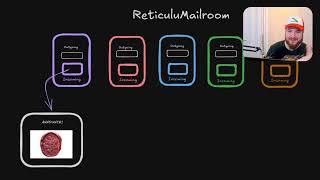
I really like the mailroom analogy. Simple to follow and understand.

Would be cool to see other Reticulum concepts broken down the same way. Great work!!!

Zenith wrote:

I really like the mailroom analogy. Simple to follow and understand.

Would be cool to see other Reticulum concepts broken down the same way. Great work!!!

Thanks so much!! I think a next follow-on would be a path request, that should be a simpler shorter one and can pick up basically where this one left off 🤔 Will sleep on it

joakim 3d6a45d16e868c8b...

That was really well explained! As you said in the video, the individual concepts are simple, but understanding how they work together on a higher level takes some work. More videos like this will be very helpful.

falafool

So cool! I'm most interested in learning about the protocol itself, and just haven't spend so much time learning about other network protocols which would make it easier. I can then also maybe tell people more than just how cool it is that it can talk over multiple interfaces :)

One question I have is, so it only keeps the shortest path, and drops the others, what happens when a path falls out? How does the node that only has information about the shortest path (which now doesn't exist anymore) know how to contact the node that announced?

falafool

Also the 'simple layers but complex network', reminded me of a game a played called Turing complete. Where simple rules of components (Logic gates/E. Components) get introduced, and then one must build complex system with them.
A similar style of presentation might be fun.

Anonymous

Very nice! Explaining reticulum is really important.

KenAKAFrosty wrote:

...even other topics/concepts from Reticulum you think other non-technical users seem to need the most help with)

I think an overview over the reticulum 'ecosystem' would be nice. I can imagine that new people might be a bit overwhelmed if they hear about rns, rnode, interfaces, lxmf, nomadnet, columba, rrc, lxst, meshchat, meshchatx, rnodeflasher, rnsh, sideband and so on.Especially if they still think rns is similar to meshcore/meshtastic.

Like what is rns? What interfaces are there, what protocols are there, what cool stuff has been build upon all that, where are the things connected?

joakim wrote:

That was really well explained! As you said in the video, the individual concepts are simple, but understanding how they work together on a higher level takes some work. More videos like this will be very helpful.

thanks joakim! totally agree

falafool wrote:

So cool! I'm most interested in learning about the protocol itself, and just haven't spend so much time learning about other network protocols which would make it easier. I can then also maybe tell people more than just how cool it is that it can talk over multiple interfaces :)

One question I have is, so it only keeps the shortest path, and drops the others, what happens when a path falls out? How does the node that only has information about the shortest path (which now doesn't exist anymore) know how to contact the node that announced?

Short answer: a path request! I think your question here has solidified this is definitely the next video to follow with (as well as this thread https://rns.recipes/forum/general/thoughts-about-unidirectional-connections-especially-in-lora-networks ), so I think this will be a very high value one.

PS: i LOVE Turing Complete! I haven't finished it yet; really need to get back to that soon. But yes, exactly the kind of building blocks mentality I'm taking with this series :D

Anonymous wrote:

Very nice! Explaining reticulum is really important.

KenAKAFrosty wrote:
> ...even other topics/concepts from Reticulum you think other non-technical users seem to need the most help with)

I think an overview over the reticulum 'ecosystem' would be nice. I can imagine that new people might be a bit overwhelmed if they hear about rns, rnode, interfaces, lxmf, nomadnet, columba, rrc, lxst, meshchat, meshchatx, rnodeflasher, rnsh, sideband and so on.Especially if they still think rns is similar to meshcore/meshtastic.

Like what is rns? What interfaces are there, what protocols are there, what cool stuff has been build upon all that, where are the things connected?

Very true. Sort of as I noted in the video, it seems like that side is better covered already, but perhaps that was a bit premature of me to assume. As I think about this, what makes sense to me right now is, continue on building blocks, up to when the whole system has been touched. Then a follow-on video, or series even, could go over ecosystem as well, now with the ability to reference those building blocks. Plus I'm hoping to RNS/LXMF distinction will naturally fall out very clearly from this series too. Great food for thought, I'll keep digesting!


Post a Reply

Markdown

Supports Markdown: **bold**, *italic*, `code`, ```code blocks```, [links](url)

Log in to upload images

Proof of work verification for anonymous posting

Copied to clipboard