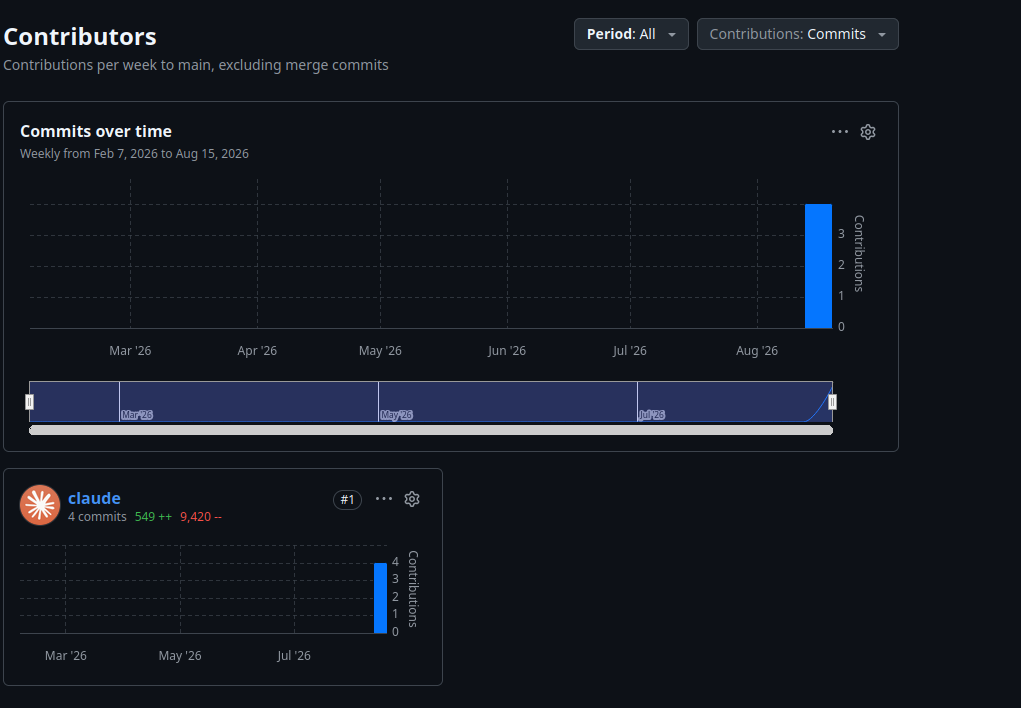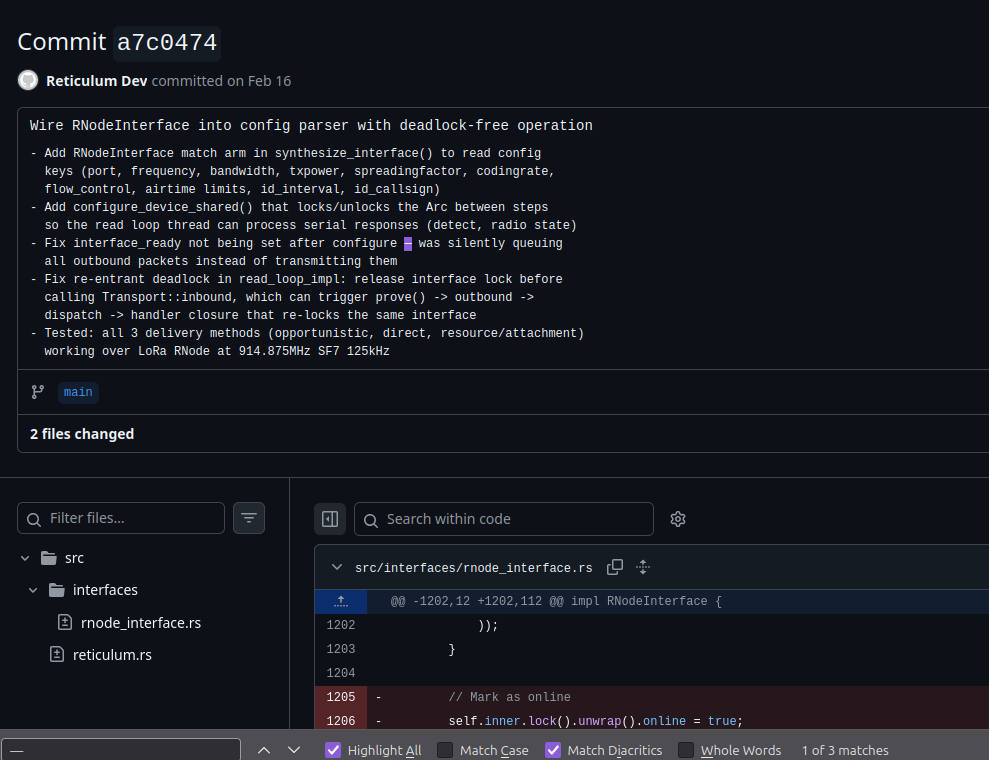
Due to the influx of LLM assisted shovelware, these are the rules that are now required if you use LLMs either in part or full for development to promote your project here.
- You must demonstrate that you have a clear knowledge of your project's codebase.
This one is very simple. The most immediate sign that a project is LLM shovelware is if you can't even bother to write your own README. If I see — a slew of — em dashes everywhere, "It's not ABC — it's X, Y, and Z with DEF", 🚀 emoji and table vomit that LLMs love, and the usual slop, I can more or less gleam in 30 seconds your project is shovelware.
This is embarrassing. There are even ways to deslop LLM output if you can be assed to put in the bare minimum effort. https://github.com/realrossmanngroup/no_ai_slop_writing_rules
Another one is clear functional design patterns.
A common design pattern used by LLMs that makes things borderline malicious is excessive announces. The number of projects spewed out by LLMs that love to try announcing every 10 seconds and for some bizzare reason shoving everything in the app_data of an announce I can't even count.
If your project is a LLM assisted port of the Reticulum Python implementation, it must be compatible with the Python reference implementation. If it can't even work with one of the scripts from the Examples folder then go wrangle your LLM until it does. There are like 6 LLM tooled Rust "ports" sitting on Github that can barely handle a link, despite reporting "feature complete".
The next one:
- Your project must have 6 months of commit history
Most LLM projects I see particularly in relation to Reticulum are abandoned after the first few months with little support afterwards. 6 months of commit history is more than enough to demonstrate that you are committed to maintaining your project, even if that is through the use of LLMs exclusively.
And lastly:
- Your project or post should have an LLM disclaimer usage. This is not a requirement but a recommendation.
That's it.