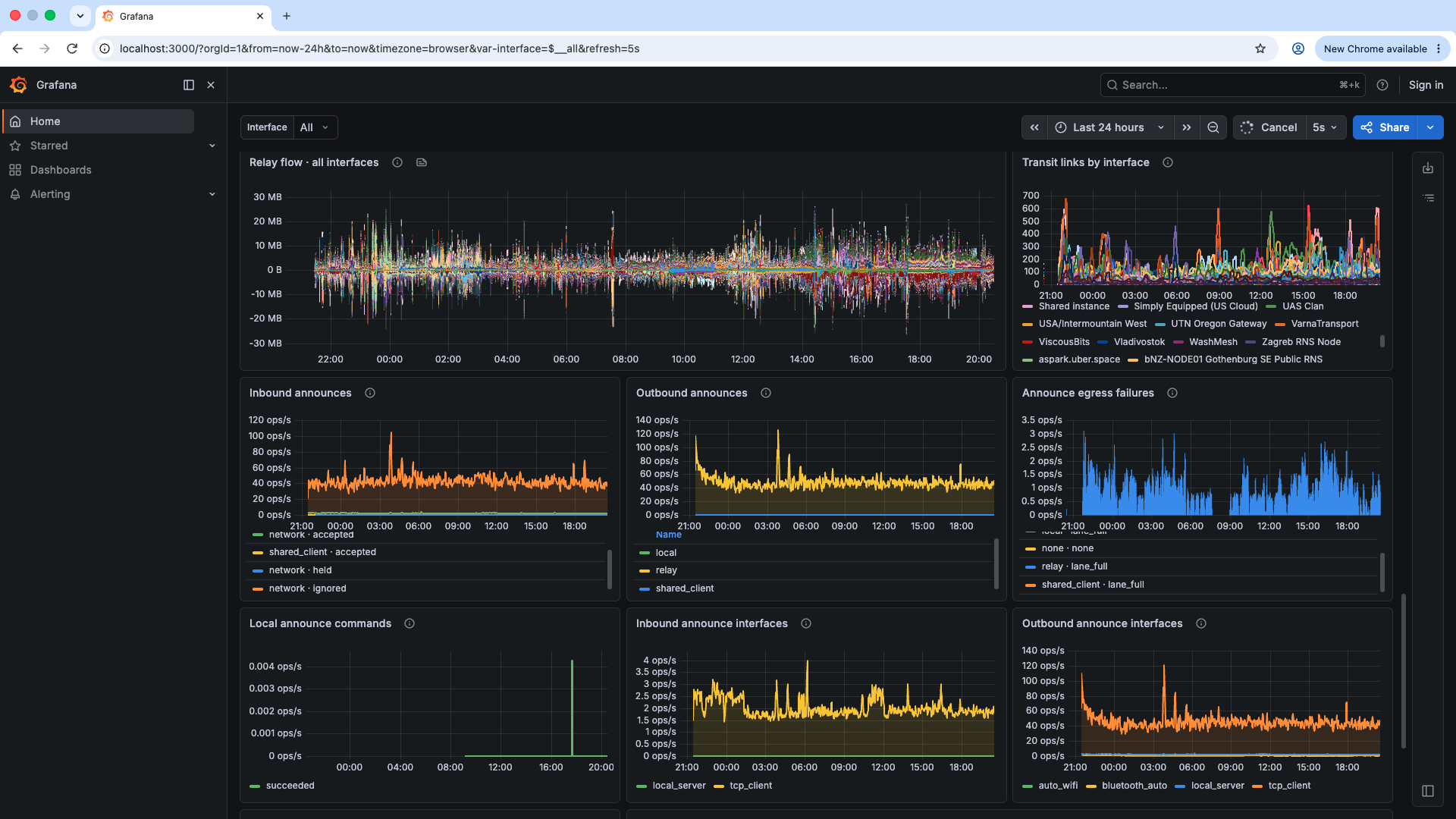
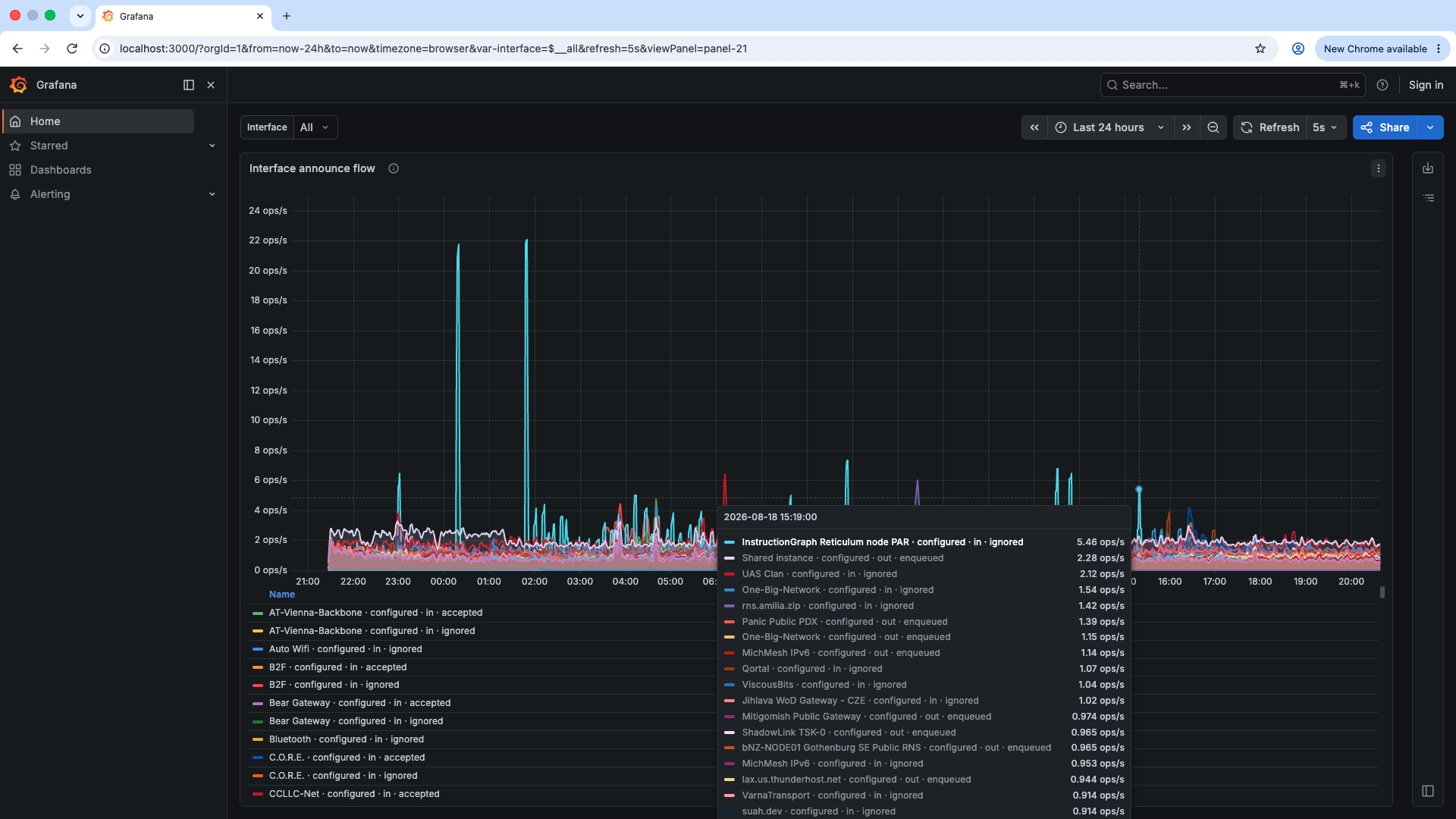
The latest source version of RNS on Aleph has completely reworked inbound traffic processing in the Transport core. By default, RNS now uses four different prioritization levels of packets, which very effectively alleviates increased latency for actual traffic under the insane levels of PR/announces DoS attempts going on lately.
Bad traffic from ingress-limited interfaces are now placed in a low-priority queue, which only drains once higher-priority traffic is done. There's much more detail in the source itself, if you want to have a look, but I'll keep it short here. There's also a long list of various bugfixes.
I'd appreciate any help testing this out before release, it's a pretty big restructuring of how inbound traffic works, so would be good to give it a bit of a spin first.
Also, what the actual ?!? is up with these insane levels of PR/announce spam going on? For example, on one node right now, I'm seeing ~30 clients just connecting and dumping nothing but path requests at around 75 per second. Then there's all the DoS attempts from TOR exit nodes, attempting more or less the same, but mostly just connecting for a few seconds, dumping a couple thousand PRs or announces, and then disconnecting again. I'm not sure if whoever wrote that script missed the fact that they're getting silently blocked. But shhh, don't tell them :P Let em keep playing around, it's great for testing stuff out.
Some of this definitely seems to come from malicious intent, but some of it is also just so weird, that I'm wondering how much of it is just completely broken implementations running wild and doing crazy stuff.
I haven't looked at any of the new matmul-generated "implementations" lately, but I'm wondering if any of them actual have any sort of filtering, de-duplication of announces/PRs, rate-limiting, et cetera, et cetera, or if they're partly responsible for this mess by just passing whatever is handed to them happily to the entire network.